






What are midi dresses today?
The history of midi dresses is a fascinating journey through time, reflecting changes in society, fashion, and women's liberation. From their emergence in the 20th century to their current status in fashion, midi dresses have evolved, disappeared, and resurfaced on the fashion scene with a versatility and relevance that few other styles can match. Therefore, we'll explain what midi dresses are today.
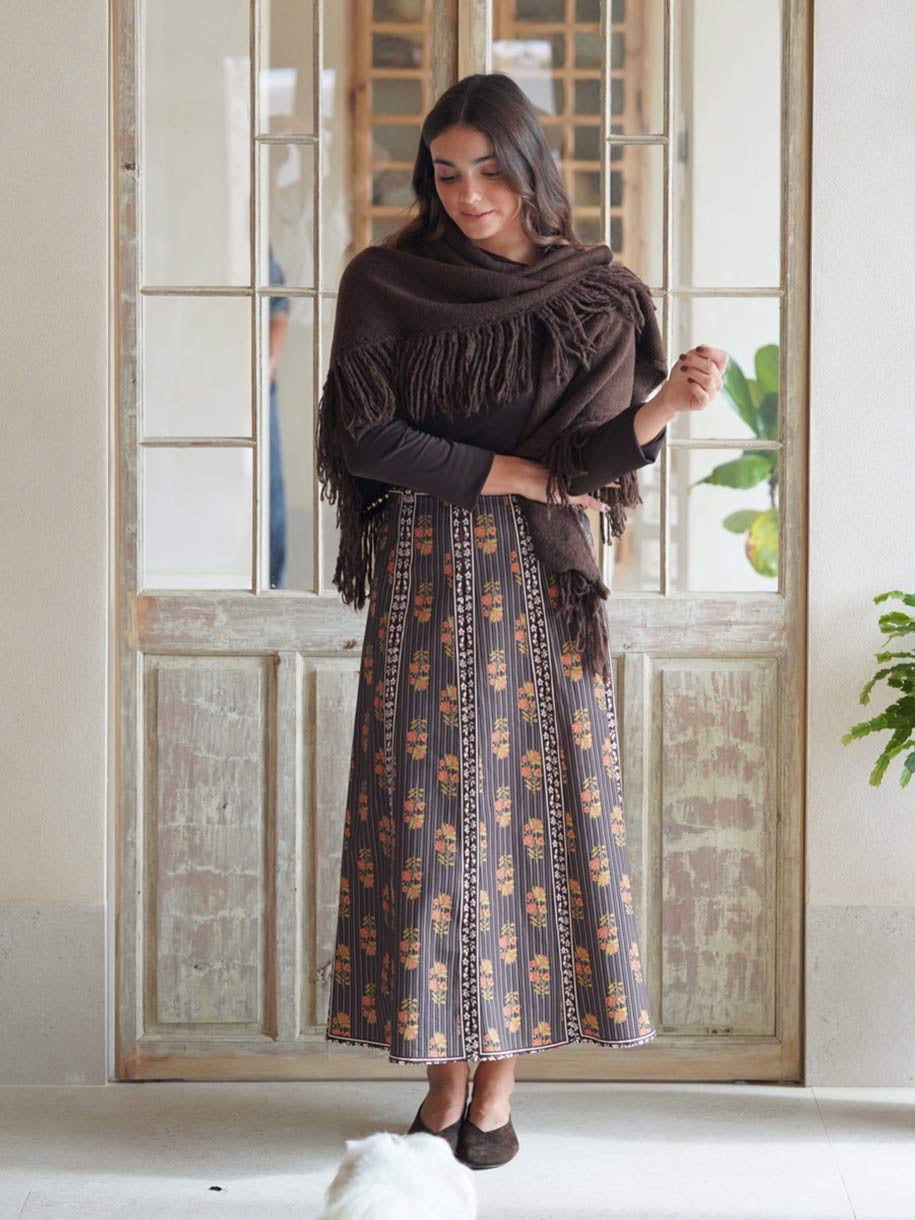
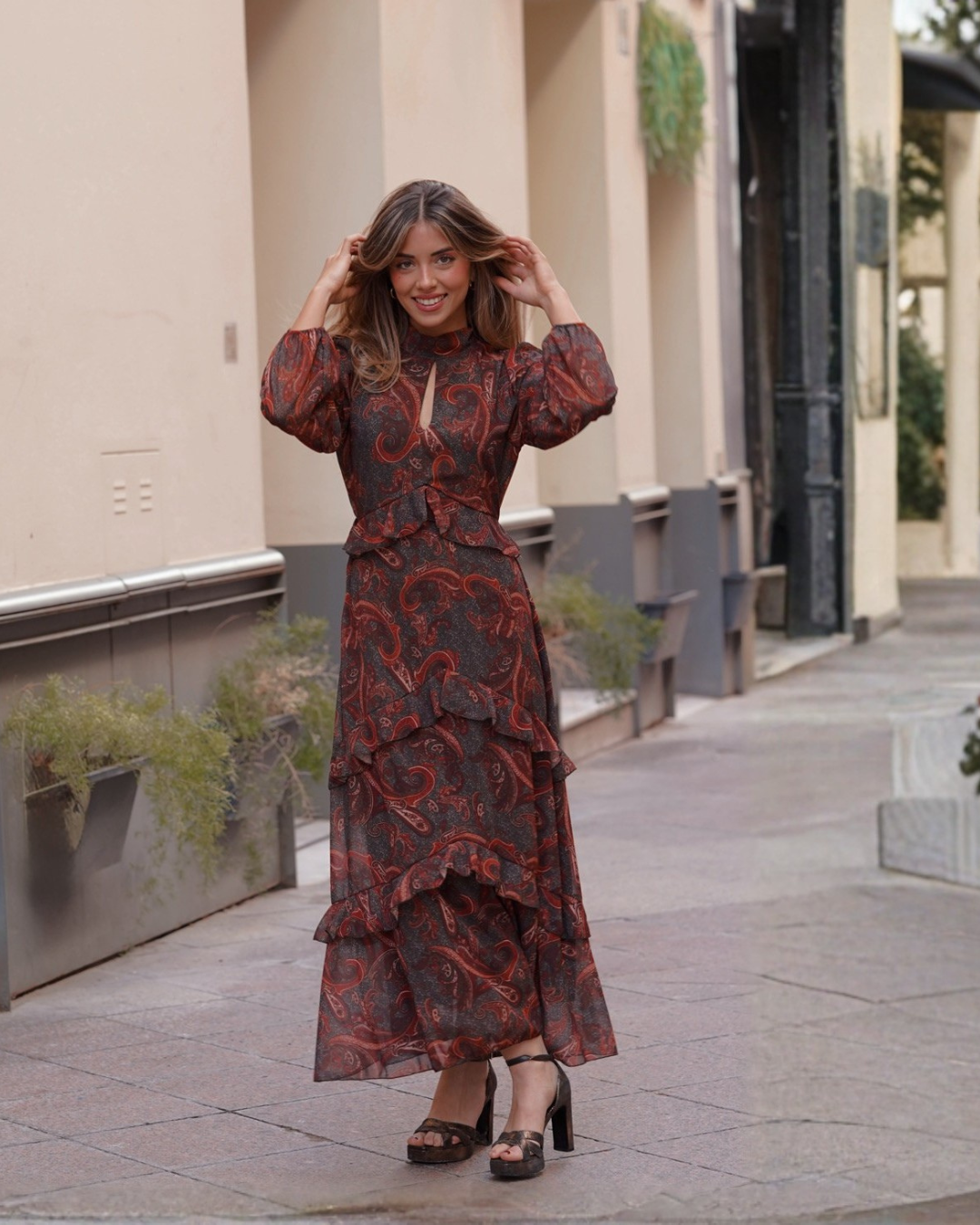
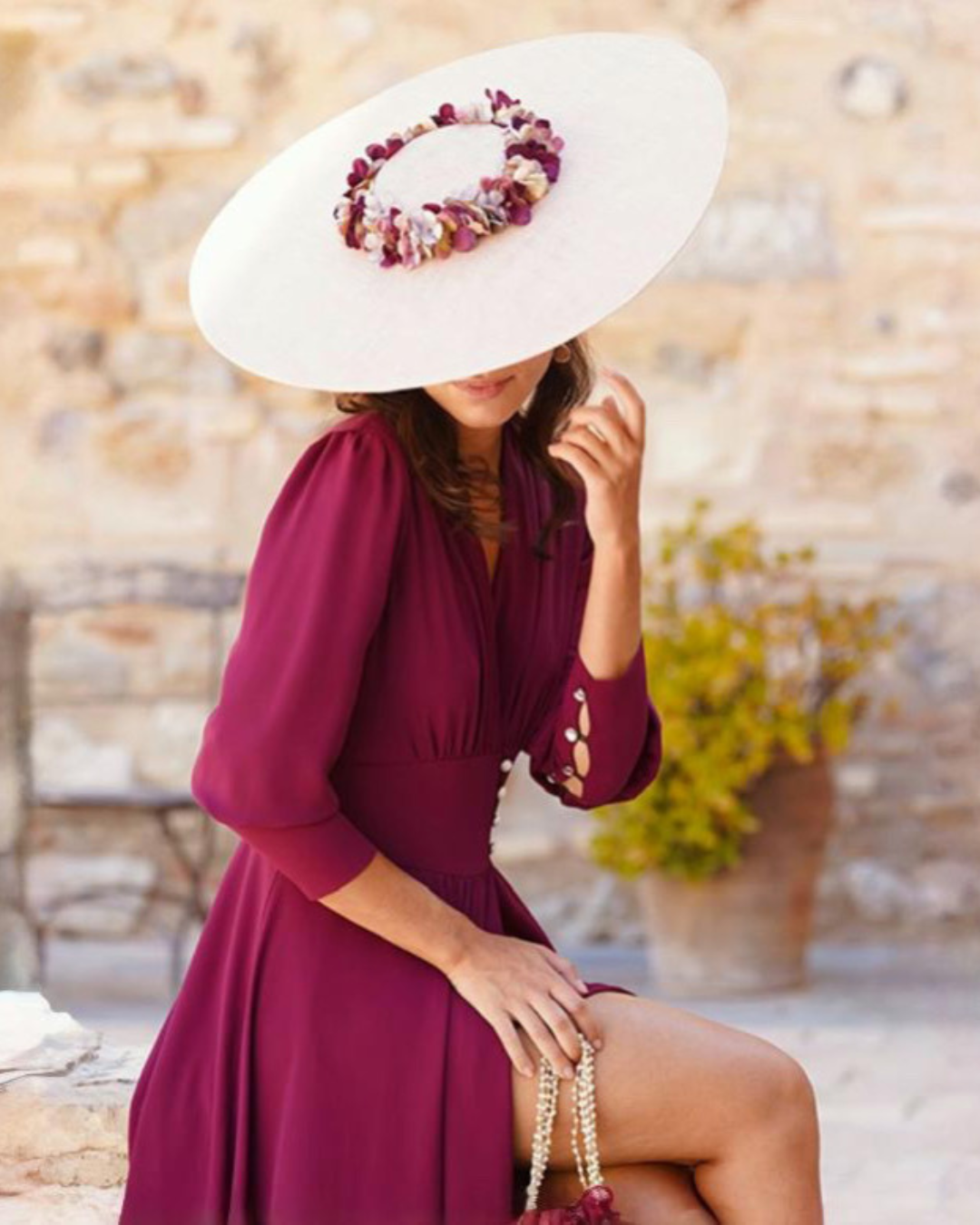
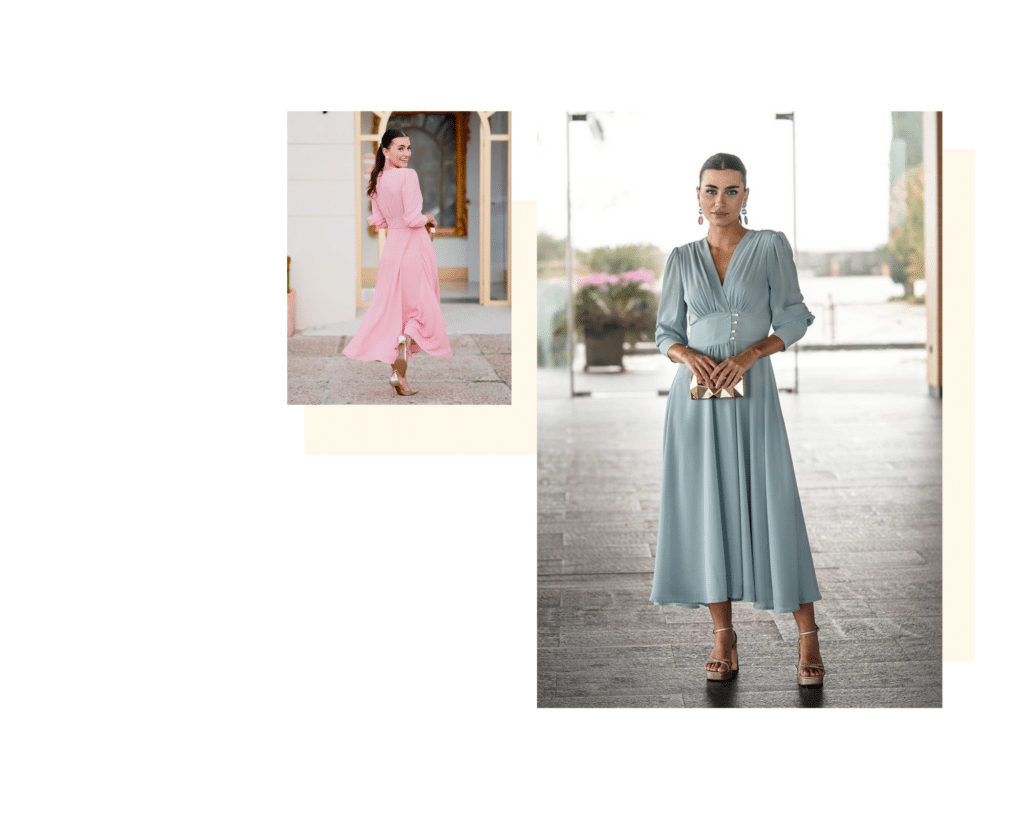
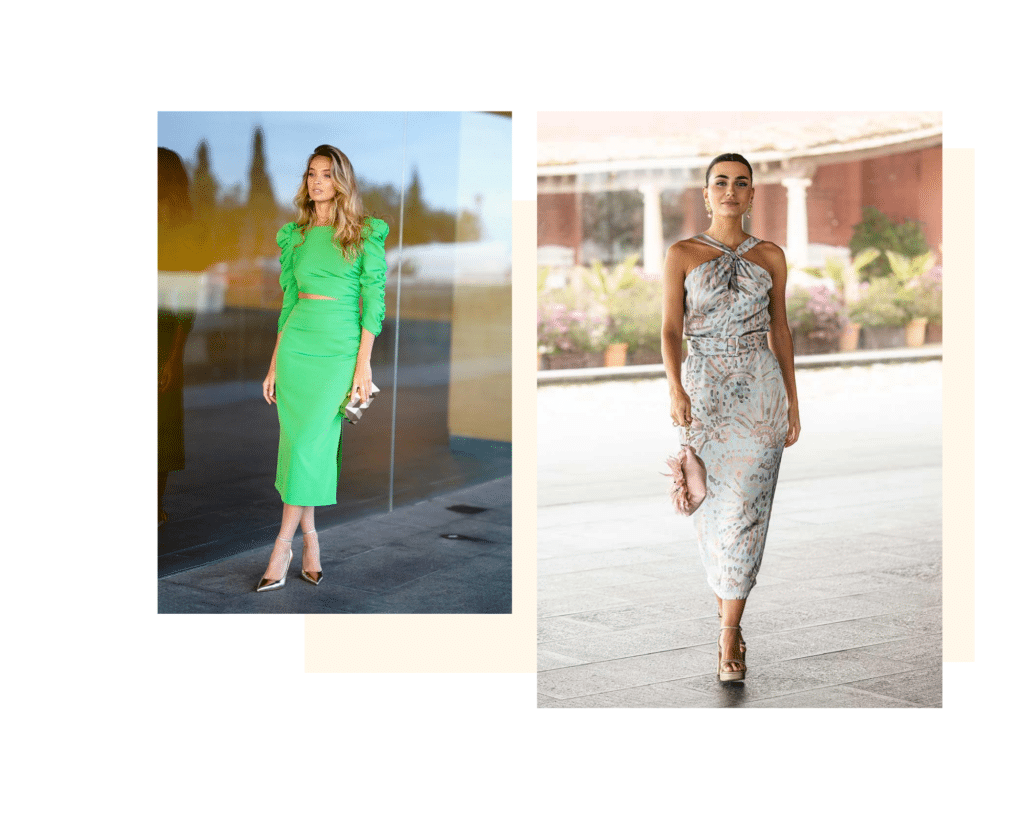
A midi dress is one whose length falls between the knee and ankle, offering a middle ground between a mini (above the knee) and a maxi (floor-length). The specific length of a midi can vary slightly, but it's generally considered to fall around mid-calf. At Mariquita Trasquilá, in addition to sharing its history, we showcase the midi dresses from the New Albariza Collection .
Origins and Influences
The concept of the midi dress can be traced back to the early 20th century, when fashion rules were strict and dresses were typically floor-length or long. However, it was in the 1920s, with the flapper and jazz-era fashion, that dress lengths began to rise, though not yet to the midi length we know today. The real revolution came with successive waves of social and cultural change that brought greater freedom in dress.
Consolidation in the 20th Century
The 1940s and 50s marked a golden age for the midi dress. Christian Dior redefined feminine silhouettes with cinched waists and voluminous skirts that often fell at the midi length. This era cemented the midi dress as a symbol of elegance and sophistication.
However, the arrival of the 60s and 70s brought miniskirts and a preference for shorter, more rebellious styles, relegating midi dresses to the background. Despite this, they never completely disappeared.
Resurgence and Reinvention
The late 20th and early 21st centuries saw a resurgence of interest in midi dresses, thanks in part to a renewed appreciation for vintage fashion and designers seeking inspiration from past decades for their chicest collections. This period also witnessed a diversification in midi dress styles, with variations incorporating different fabrics, prints, and cuts, adapting to the trends of each season.
The Midi Dress Today
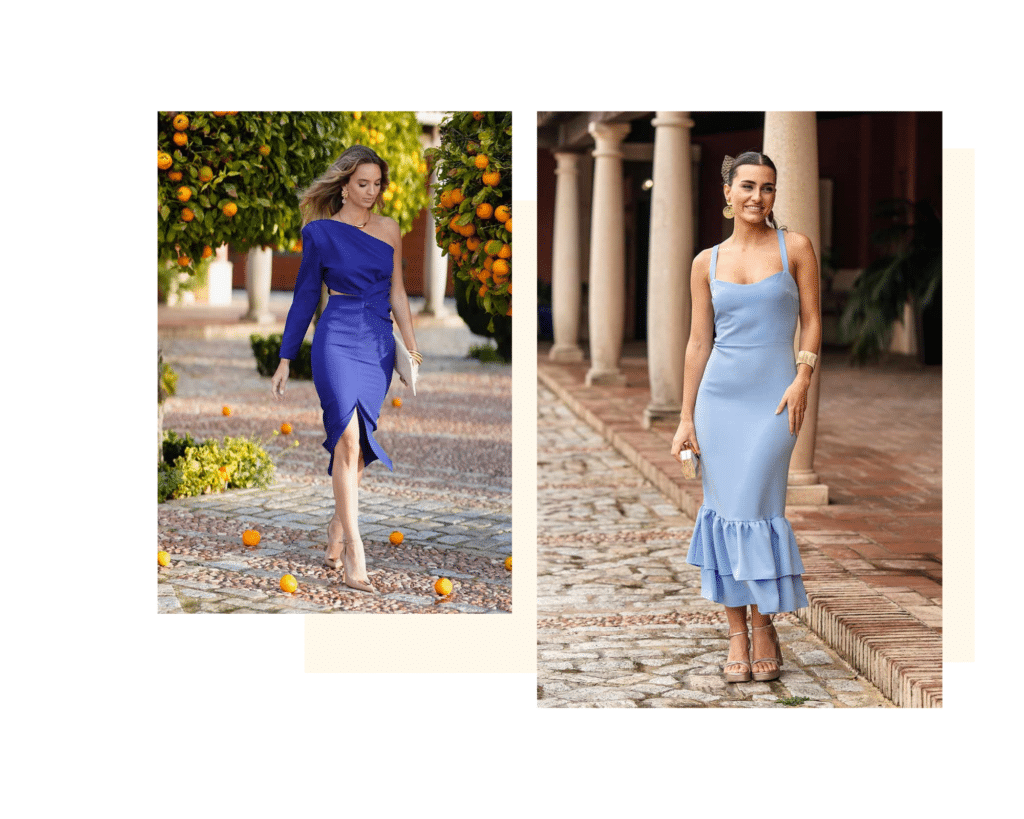
Today, the midi dress is versatile and comfortable, holding a prominent place both on the haute couture runways and in our personal wardrobes. The midi cut is a major trend that never goes out of style because of its adaptability to any occasion, from formal events to casual outings or even office days. It flatters all body types. Designers continue to experiment with this style, incorporating modern elements such as sustainable fabrics, asymmetrical cuts, and innovative details that keep the midi dress at the forefront of fashion.
Conclusion
The history of the midi dress reflects the evolution of fashion and society. From its humble beginnings to its current status as a timeless staple, this style has navigated cultural shifts, design revolutions, and fluctuating fashion preferences, always remaining relevant. As a symbol of elegance, femininity, and versatility, the midi dress continues to adapt and evolve, securing its place in the future of fashion. This is the story of what midi dresses are today.


